

A Complete Guide to Flexible coupling Classifications
2026-03-16 15:04Flexible couplings are couplings with elastic elements. When subjected to load, the elastic elements can produce significant elastic deformation, which can compensate for the relative displacement of the two connected shafts. At the same time, they can store elastic deformation energy to mitigate impacts. Furthermore, by changing the stiffness of the coupling, the natural frequency of the shaft system can be adjusted to reduce vibration and avoid resonance.
Based on elastic element types, Flexible couplings are divided into metallic Flexible couplings and non-metallic Flexible couplings.
I. Metallic flexible couplings mainly include diaphragm couplings and serpentine spring couplings:
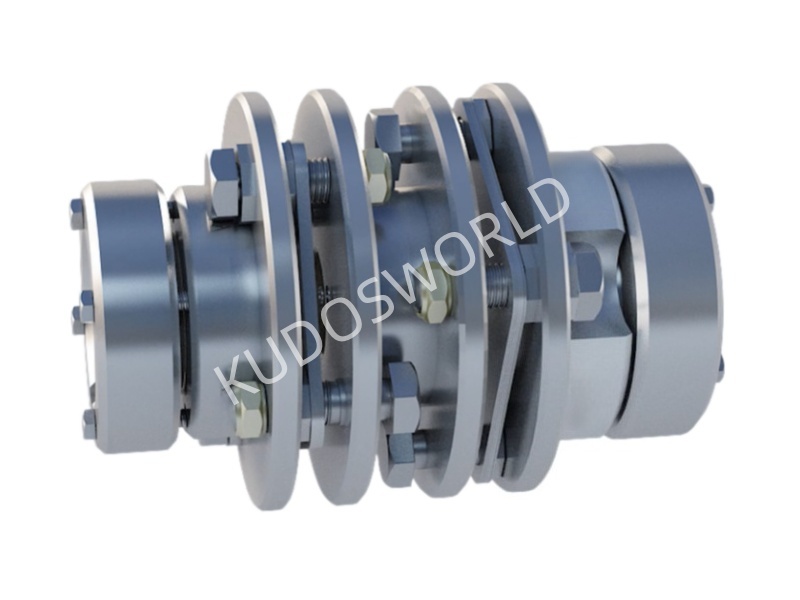
Diaphragm Couplings
Structural Features: Uses multi-layer stainless steel diaphragm assemblies as the elastic element.with bolts connecting the two halves of the coupling in a staggered manner, gapless, and compact in structure.
Core Advantages: Zero-backlash high-precision drive, effective compensation for axial/radial/angular misalignment, lubrication-free, high temperature and corrosion resistance.
Applications: CNC machines, servo motors, fans, compressors, steam turbines, precision pumps and other high-speed, high-precision equipment.
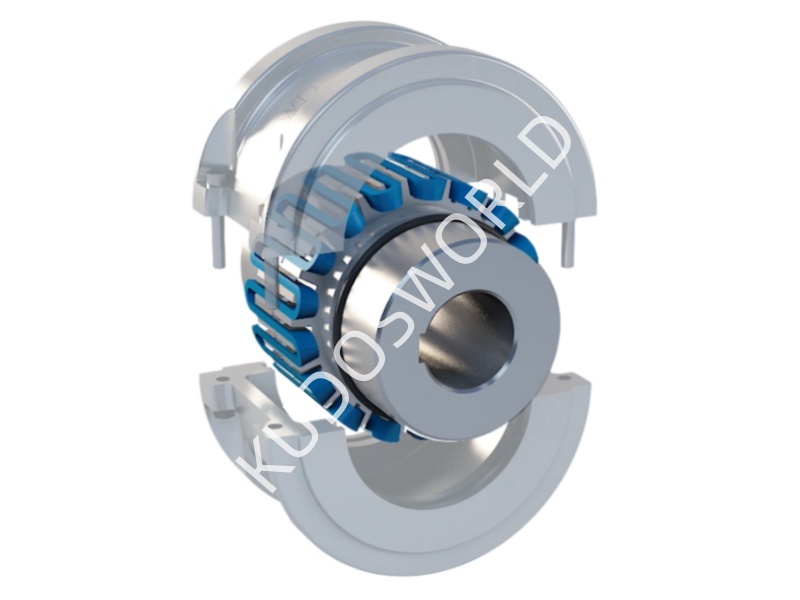
Grid coupling
Structural Features: Serpentine springs as elastic elements with high torque capacity.
Core Advantage: Cushions impact loads and adapts to operating conditions with large torque fluctuations.
Applications: Crushers, calenders and other heavy-duty equipment.
II. The main types of non-metallic elastic couplings include jaw couplings, flexible pin couplings, flexible pin gear couplings, H-type flexible couplings, and tire couplings:
Jaw Flexible coupling
Structural Features: Composed of a metal jaw disc and a spider-shaped elastomer (rubber/polyurethane), with a backlash-free design.
Core Advantages: Compensates for radial/angular deviations, good damping effect, excellent insulation performance.
Applications: Servo motors, stepper motors, high-precision transmission systems.
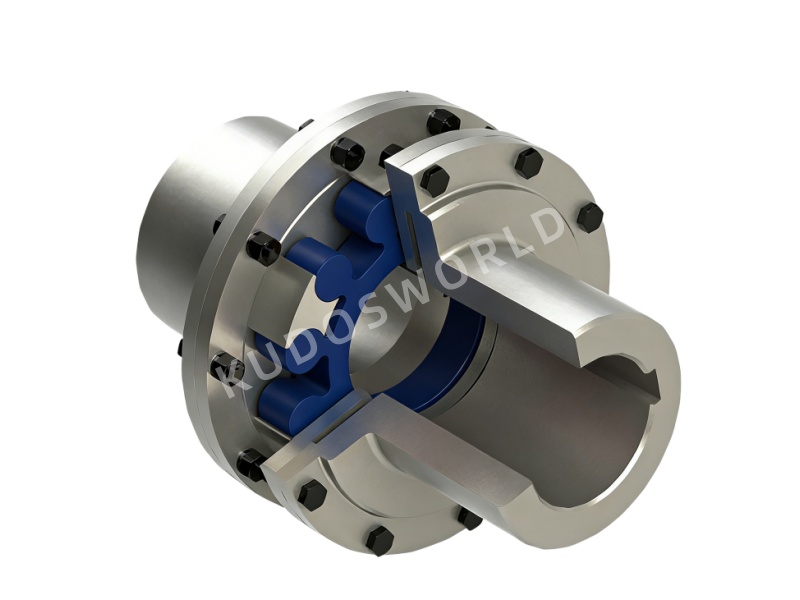
Flexible pin type coupling
Structural Features: Structural Features: Uses nylon pins to transmit torque, no lubrication, easy installation.
Core Advantages: Allows large axial movement, simple structure, low cost.
Applications: Light-load applications with frequent forward and reverse rotation and low buffering requirements (such as conveyor belts and small motors).
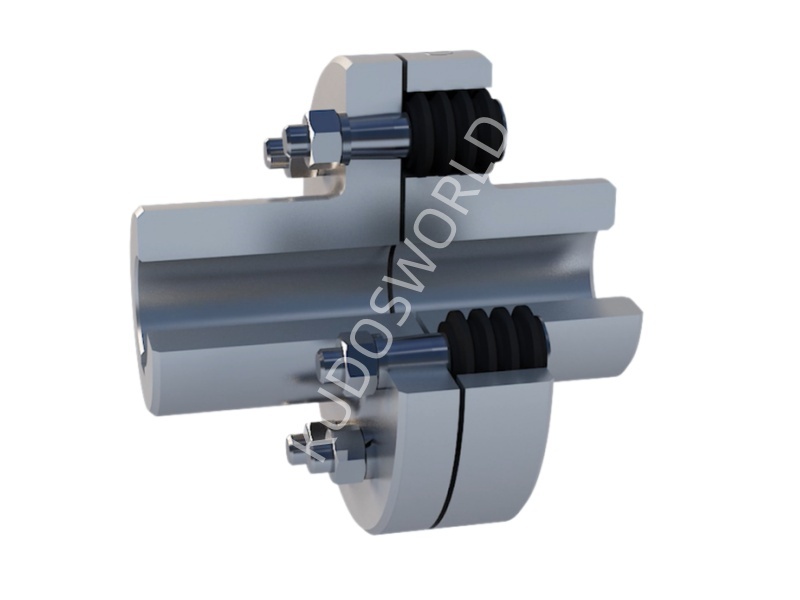
Flexible Pin Gear Coupling
Structural Features: Non-metallic pins are placed between the two coupling halves and the outer ring, transmitting torque through tooth meshing.
Core Advantages: Compensates for multi-directional misalignment, excellent vibration damping performance, and maintenance-free.
Applications: Metallurgy, mining, chemical and other high-compensation equipment.
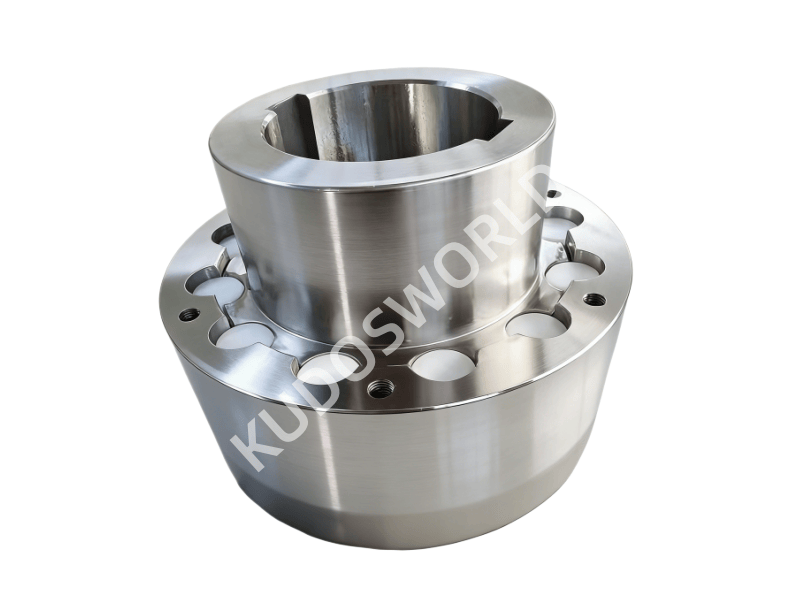
H-Type Flexible coupling
H-Type Elastic Coupling
Structural Features: Uses H-type elastic blocks (polyurethane/rubber) as elastic elements, with a two-half jaw structure interleaved, easy installation.
Core Advantages: Vibration and noise reduction, comprehensive misalignment compensation, oil and aging resistant.
Applications: Pumps, fans, reducers, compressors and general medium-small power equipment.
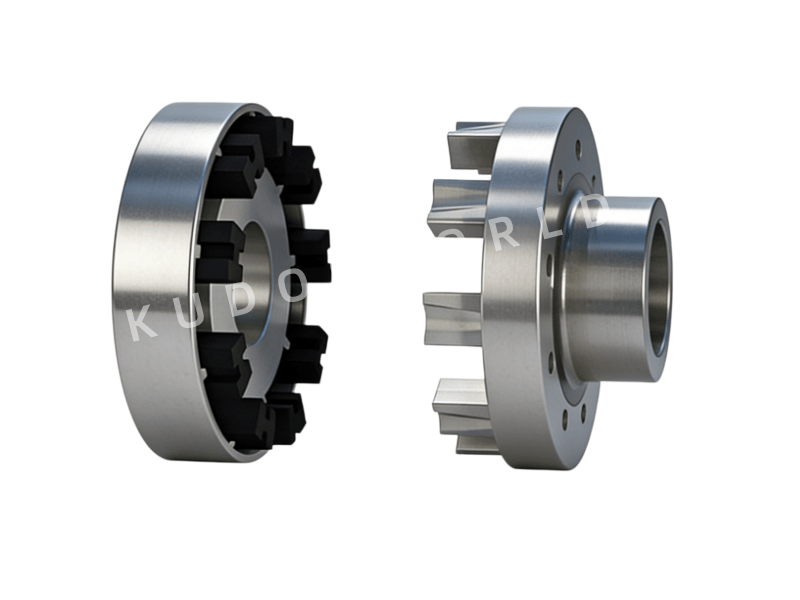
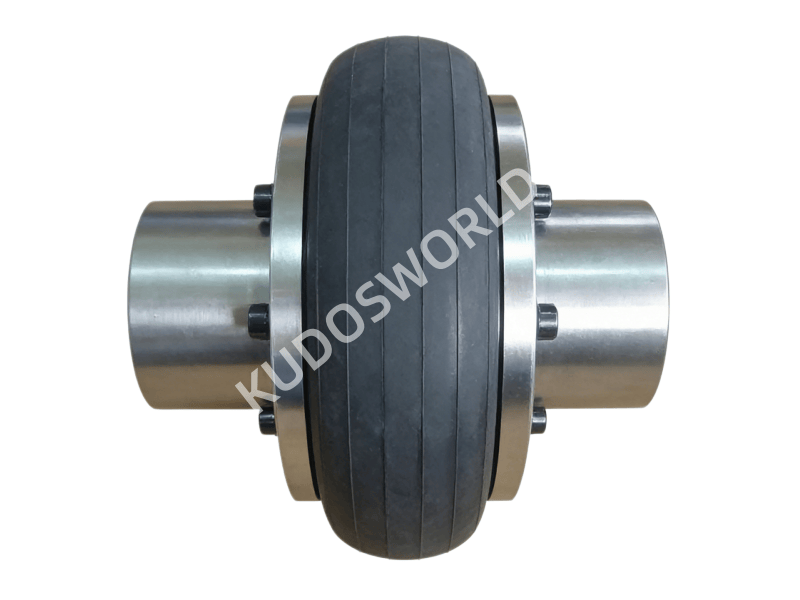
Tire Coupling
Structural Features: Rubber tire as elastic element, enables large-angle misalignment compensation.
Core Advantages: Excellent damping, allows large axial and radial displacement.
Applications: High-vibration conditions (such as diesel generator sets).
For more information about couplings, please contact KUDOSWORLD.